
Practical cat care guides
Start with the question that matters to you and your cat.
10 results

A gradual guide to introducing cats
Follow a staged introduction plan with separate resources, gradual contact and clear reasons to pause or return to an earlier step.

Cat feeding basics: labels, portions and routines
Understand food labels, record wet and dry food portions, and plan a consistent feeding routine without confusing a calculator with individual dietary advice.
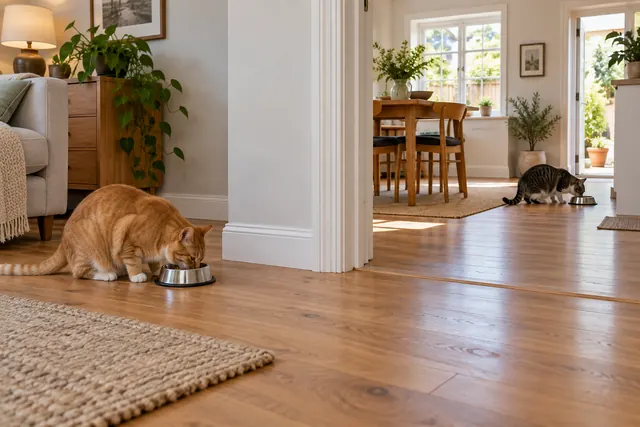
Feeding cats in separate spaces
Set up separate meals so you can see who ate what. Plan around different diets, shared routes and the space available in your home.

Kitten essentials for the first week at home
Prepare a safe starting room and essential supplies for a new kitten, then follow a practical first-week settling-in and care checklist.
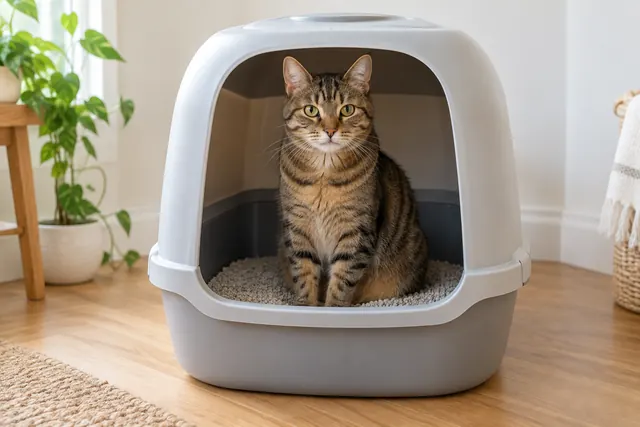
Litter box setup and care for cats
Plan accessible litter boxes, choose practical locations and build a cleaning routine. Know what to record when your cat’s litter habits change.

Making indoor life work for your cat
Review your indoor cat’s routes, hiding places and scratching options. Make practical changes for a safer home and a more engaging daily routine.

Play and enrichment ideas for cats
Build a practical indoor enrichment routine with play, food puzzles and resting spaces. Learn how to adapt activities to your cat’s response.

Practical care routines for senior cats
Make essential resources easier to reach and keep useful notes on your senior cat’s routine, measured weight and changes to discuss with your veterinary team.

Preparing for a new cat at home
Prepare a quiet room, manage the first night and let a new cat explore gradually. Use a practical checklist to make the first week easier to plan.

Setting up a multi-cat home
Map food, water, litter and resting spaces for each cat. Learn how shared routes and subtle tension can affect a multi-cat household.
A little guidance before your next step
Explore care toolsChoose by the problem, not just the category
If a cat is joining the home, begin with settling-in steps. For a kitten, add the kitten checklist. If another cat already lives there, use the separate introduction process; preparing a room and arranging a meeting are different tasks.
For daily routines, feeding basics explains labels and measurements, while separate feeding spaces helps you see who ate what. Neither page determines an individual prescribed ration.
Review the environment in useful layers
Litter-box care covers access, cleaning and observation. Indoor life looks at routes, height, scratching and safety. Play and enrichment offers activities and ways to adjust them. Multi-cat homes adds relationship and shared-access questions.
If mobility or age-related changes are affecting routines, use senior-cat home adjustments to prepare observations and questions for your veterinary team.
Turn reading into one next step
Choose one manageable change, keep useful familiar options and record what happened. Each guide connects to relevant tools or records where they help. Search below by the question or filter by topic; an empty result means we have not published a matching guide, not that your concern is unimportant.
General guides cannot rule out illness. Contact your veterinary team about new or concerning health changes instead of using a home adjustment as a substitute for assessment.