
Practical cat care guides
Start with the question that matters to you and your cat.
79 results
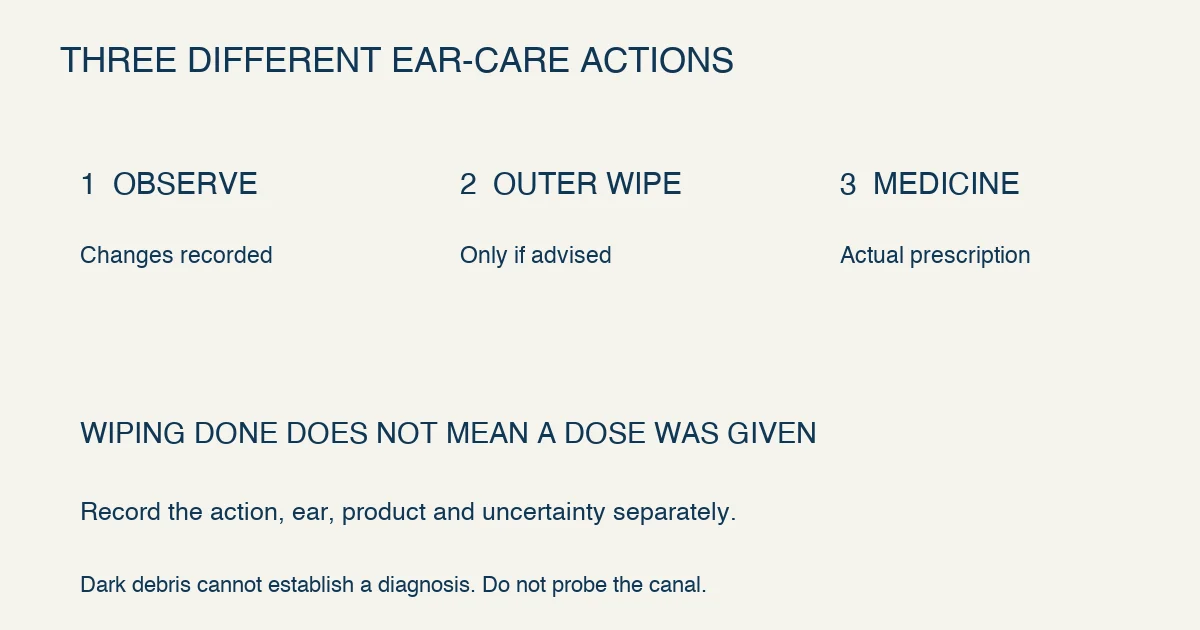
Cat Ear Care: Know When to Stop Cleaning and Call the Vet
Separate visible outer-ear care from treatment, report head shaking and discomfort, and avoid identifying mites or infections from dark debris alone.
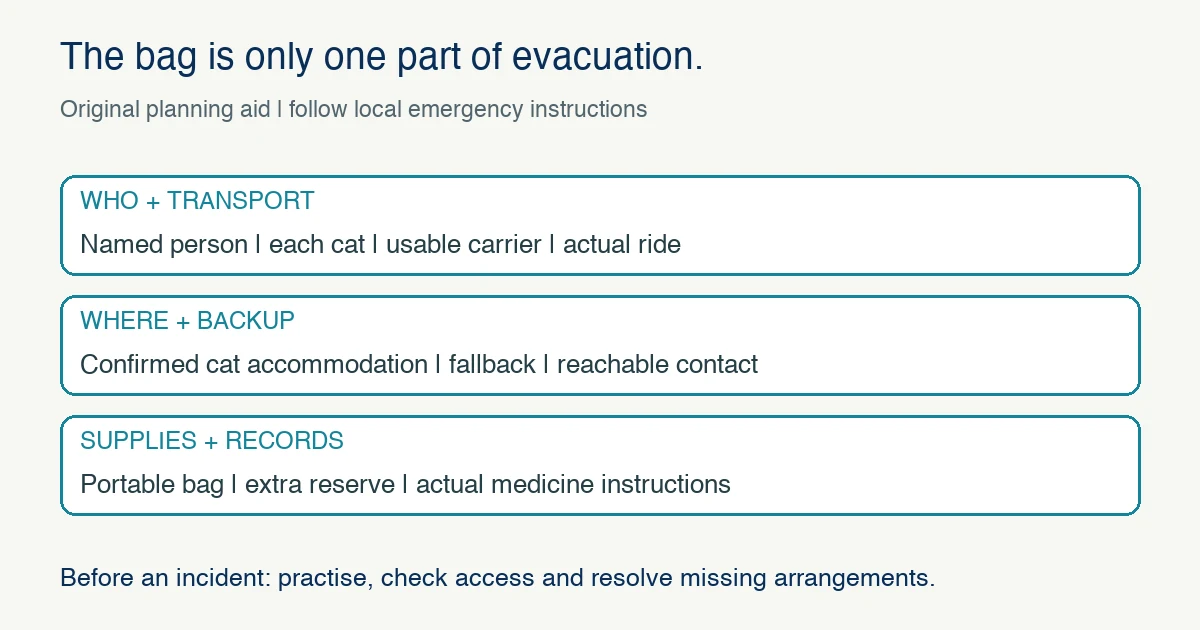
Cat Emergency Evacuation: A Plan and Bag You Can Use
Assign cat transport, confirm a destination, separate portable supplies from reserve stock and prepare medication and care records before an emergency.
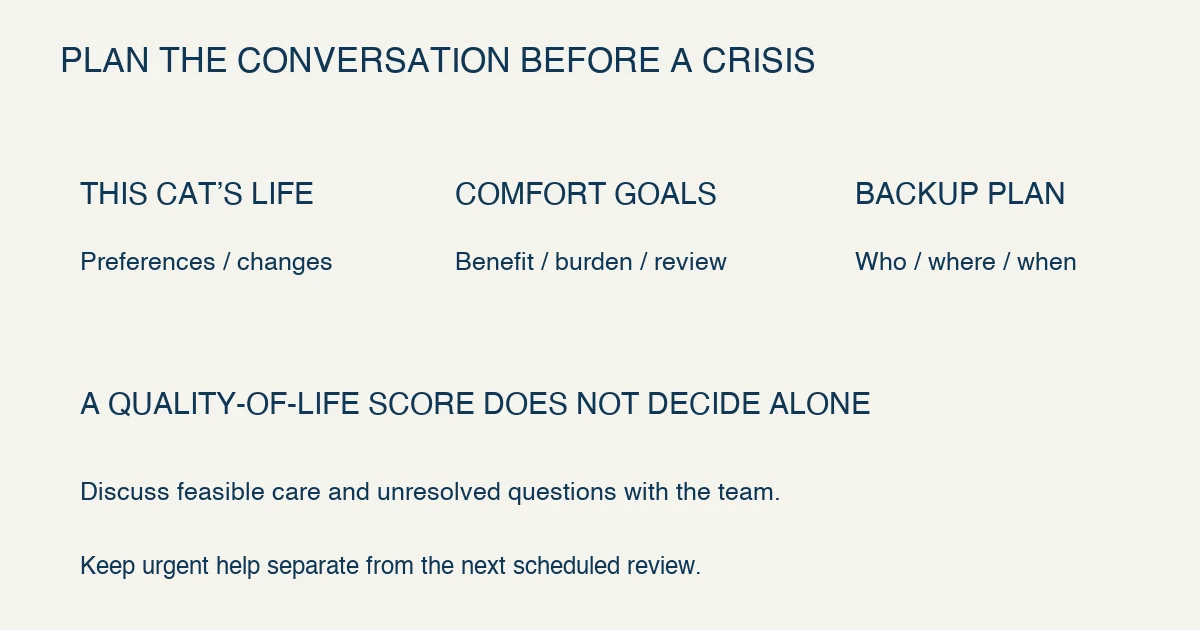
Cat End-of-Life Discussion: Comfort, Care Goals and a Practical Plan
Prepare a compassionate veterinary conversation using your cat’s normal life, comfort changes, realistic care goals, emergency arrangements and questions about euthanasia.
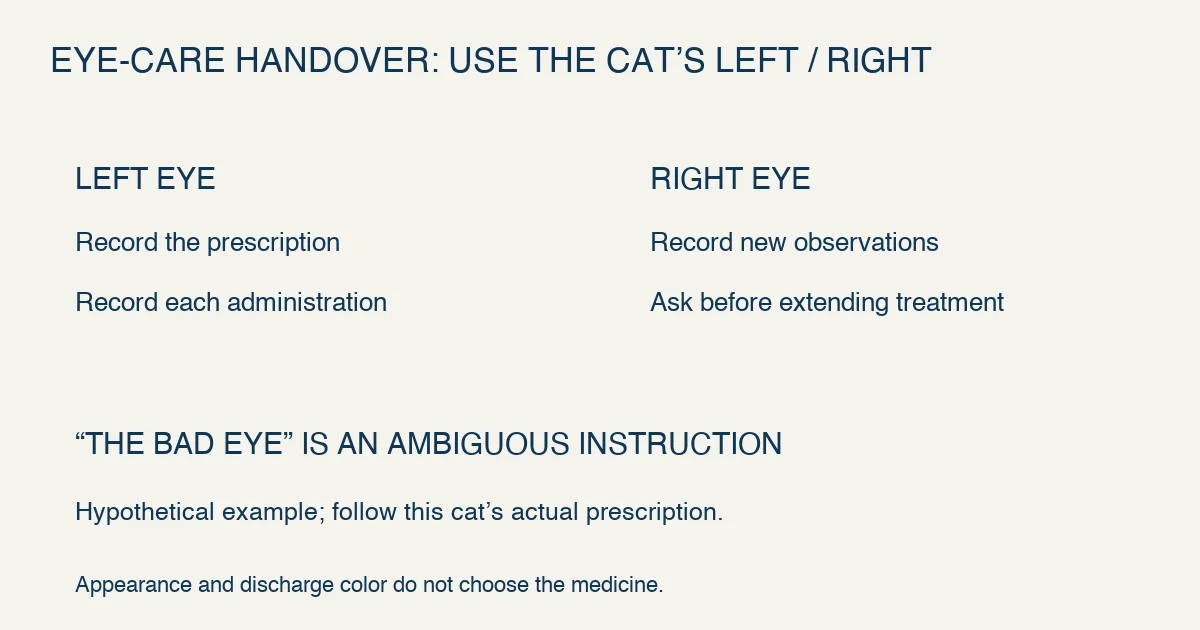
Cat Eye Discharge: Get Advice Before Cleaning or Using Drops
Separate eye observations from diagnosis, recognize reasons for prompt contact, and keep a prescribed eye-care plan clear for every caregiver.
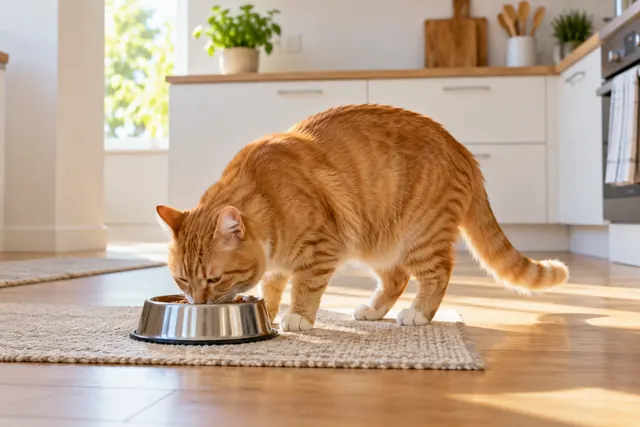
Cat Feeding Guide: Labels, Portions and Intake
Understand exact food labels, measured portions and intake records. Keep label arithmetic separate from an individual daily feeding allowance.
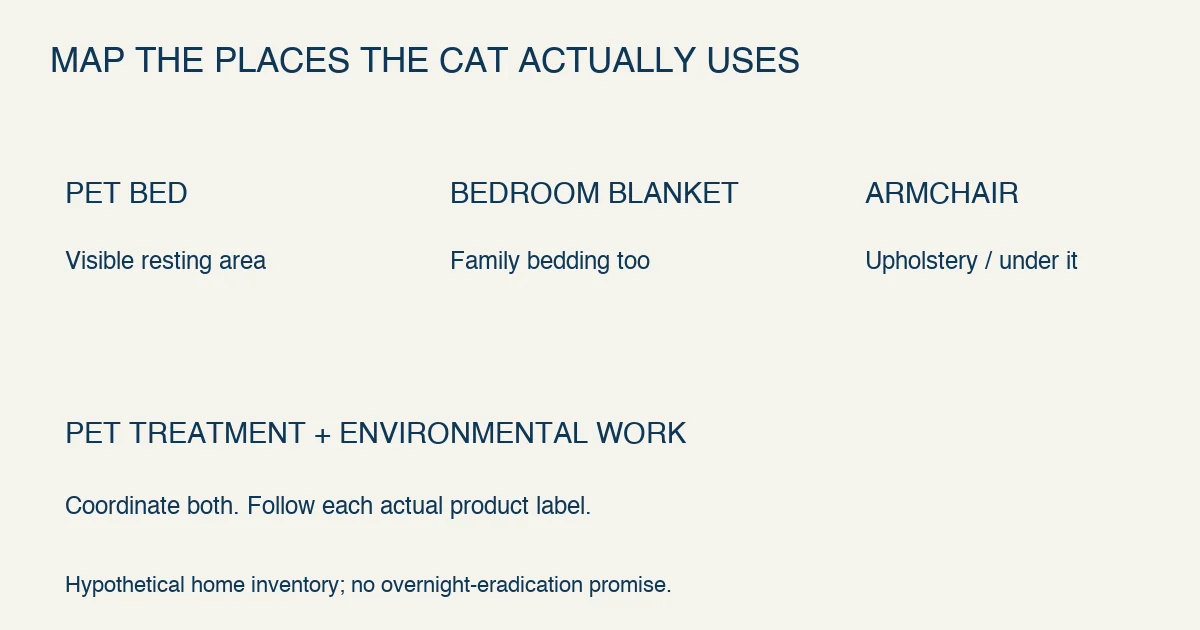
Cat Fleas: Coordinate Pet Treatment and Household Cleanup
Map the places cats use, organize safe cleanup and appropriate treatment for every pet, and review persistent fleas without adding unplanned doses.
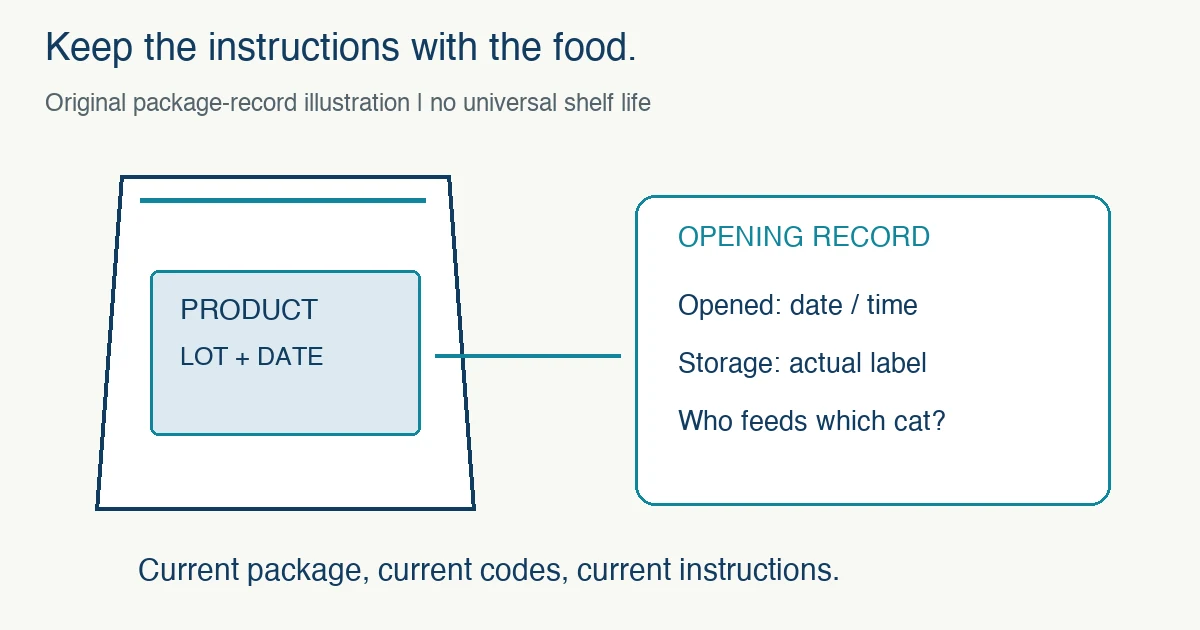
Cat Food Storage: Dry Bags, Opened Wet Food and Useful Records
Store the actual product according to its instructions, preserve package codes and opening dates, and keep unused portions distinct from served leftovers.
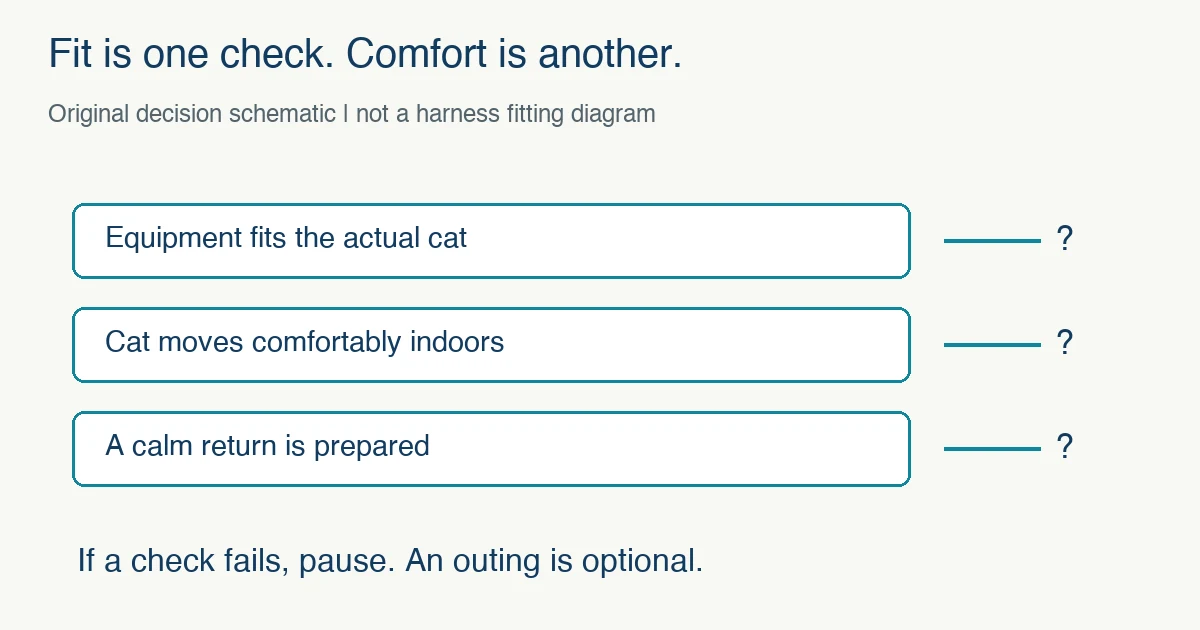
Cat Harness Training: Suitability, Indoor Practice and When to Stop
Decide whether harness activity suits your cat, introduce equipment gradually indoors, and prepare a calm return before considering an outing.
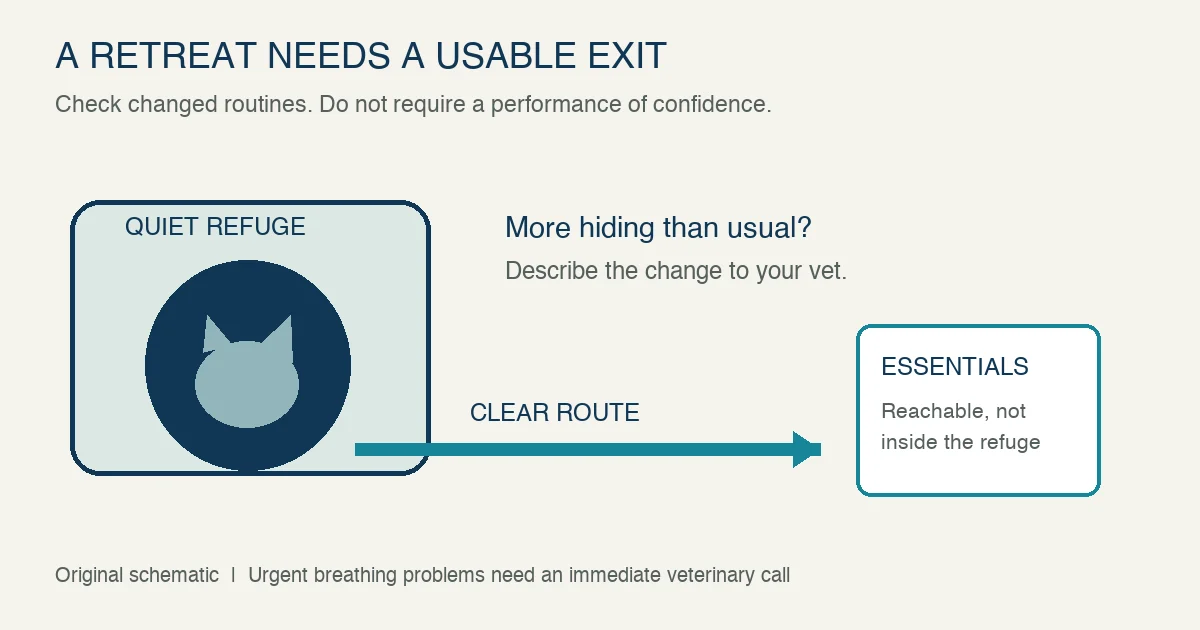
Cat Hiding: Check Changes, Protect Retreats and Know When to Call
Separate familiar resting from changed withdrawal. Check individual eating and litter access, protect a usable refuge, and prepare observations for your veterinary team.
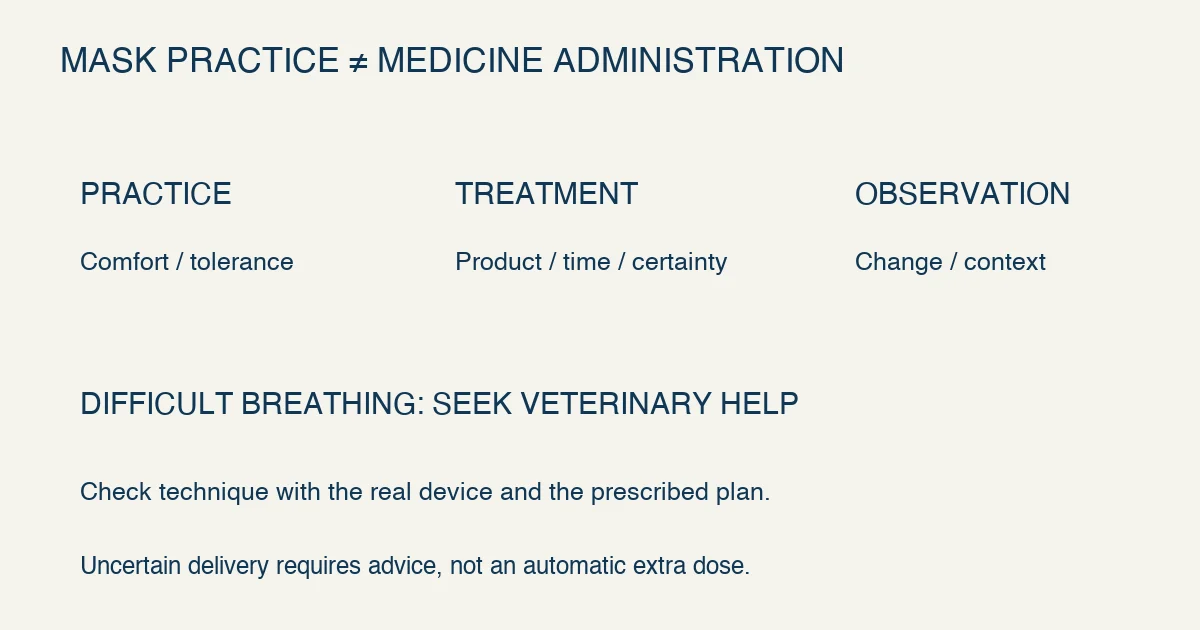
Cat Inhaler Routine: Train Comfort and Record Prescribed Treatment
Build a workable prescribed inhaler routine with gradual mask training, a checked technique, separate treatment records and an emergency plan.
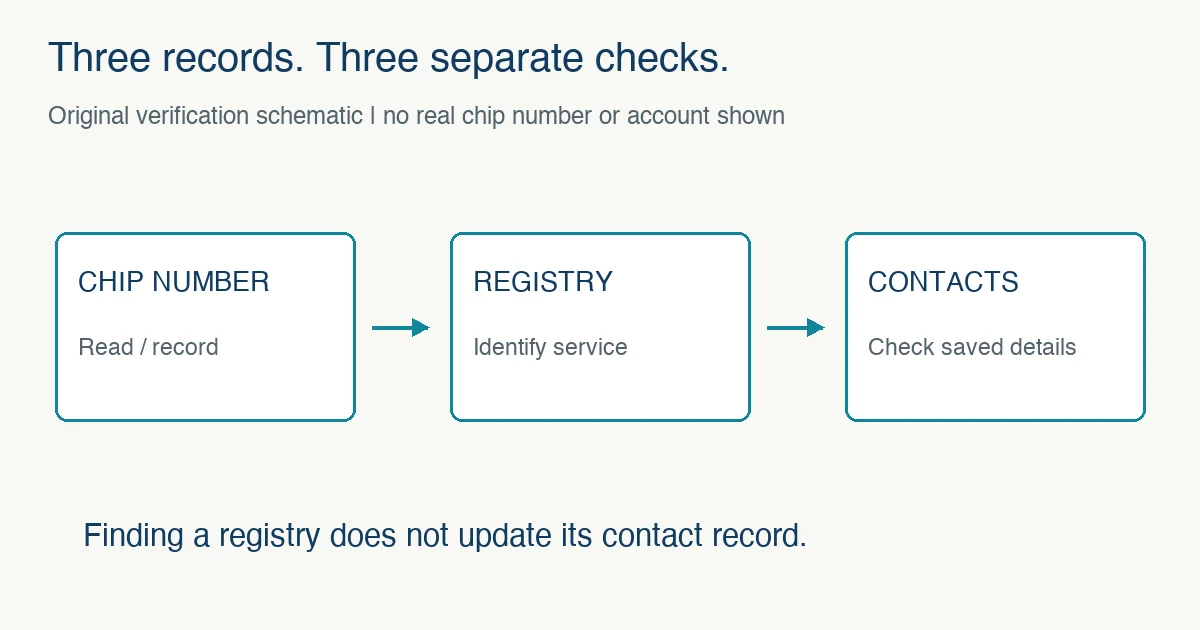
Cat Microchip Registration: Verify the Number, Registry and Contact Record
Find the correct registry, check the saved contact record after adoption or a move, and distinguish a chip scan from registration and a location tracker.
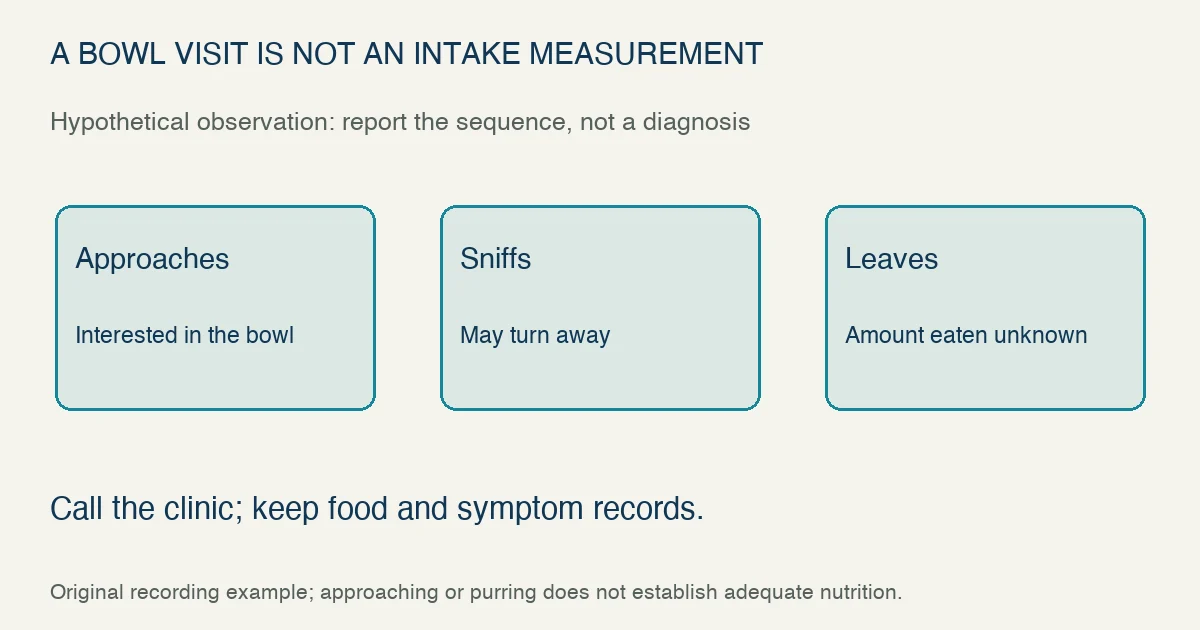
Cat Not Eating: Contact the Vet and Keep Actual Intake in View
Report reduced intake promptly, describe what your cat actually eats and follow an individual home plan without force feeding or a cycle of unapproved food changes.
A little guidance before your next step
Explore care toolsA cat is arriving
Prepare the first night. For a kitten, add age-appropriate preparation. Resident cats need a separate introduction plan; a ready room does not mean they are ready to meet.
A daily routine is unclear
Start with food labels and intake records or litter access and cleaning. If you cannot tell who ate, use meal separation. Each guide ends with a specific next action.
The home needs a review
Map indoor choices and each cat's resource access. Adapt play to observed responses. New movement difficulties need a veterinary conversation alongside accessible home changes.