
Practical cat care guides

Start with the question that matters to you and your cat.

79 results
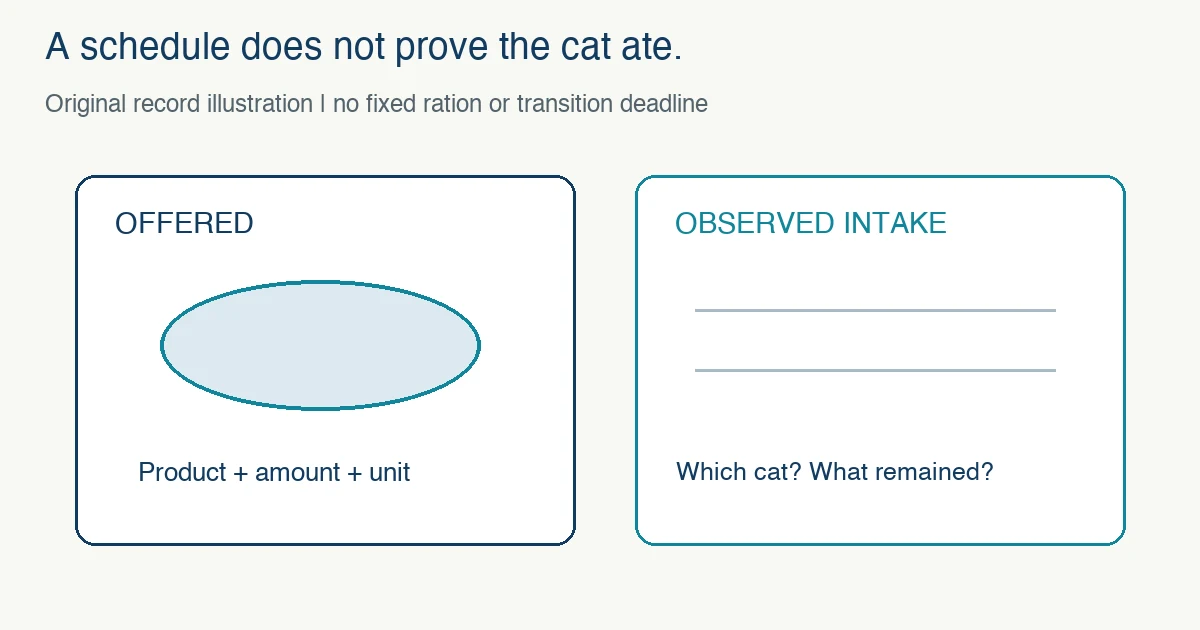
Original record illustration separates food offered with its product, amount and unit from the observed intake of the individual cat.
Food & feeding

Changing Cat Food: A Transition That Keeps Actual Intake in View

Check the intended diet, offer a separate small portion, record what is eaten and respond to refusal instead of enforcing a calendar.
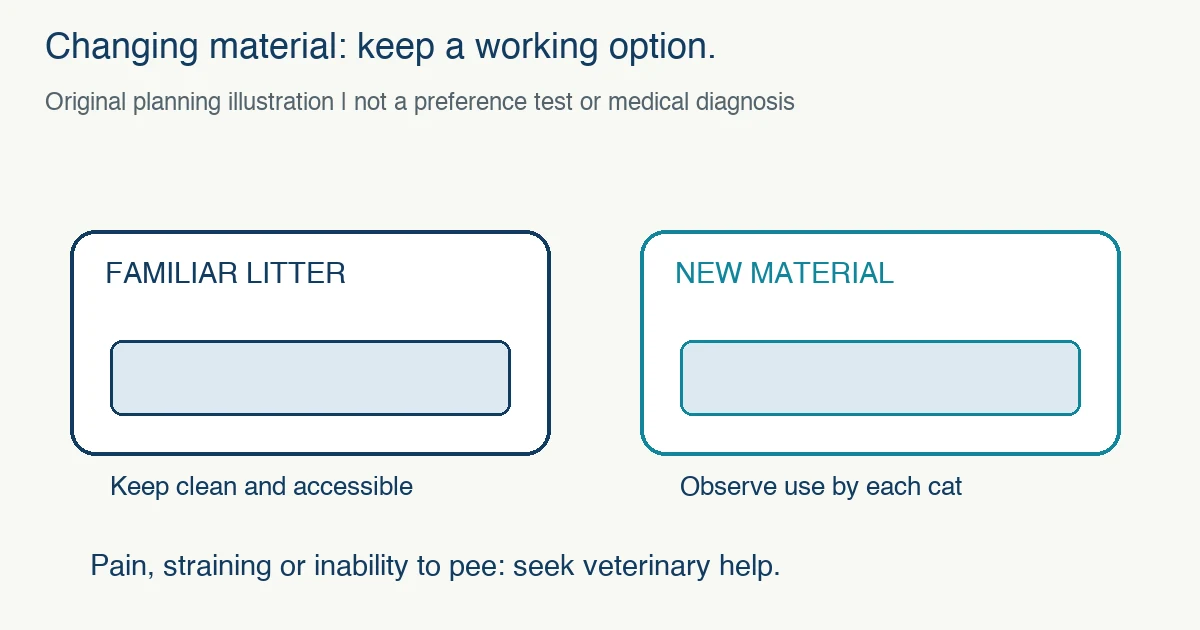
Original illustration shows a familiar litter tray kept clean and accessible alongside a new material option, with observation and veterinary help boundaries.
Indoor life

Changing Cat Litter Without Removing the Familiar Option

Introduce a new type or brand while preserving usable toileting access, observing each cat and recognising changes that need veterinary attention.
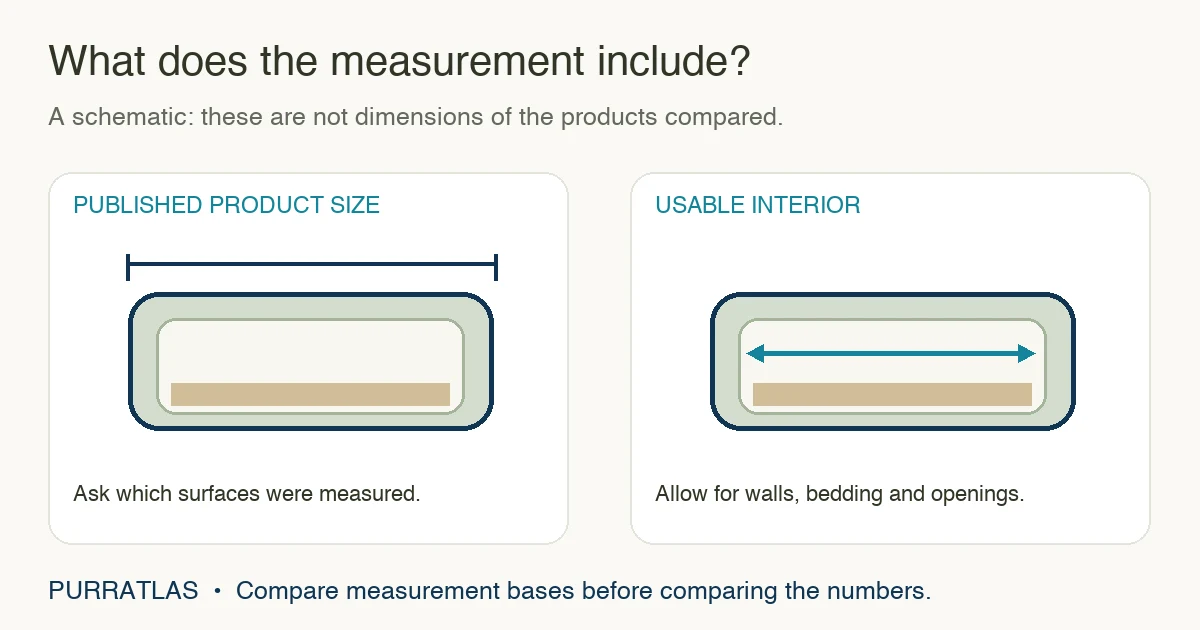
Schematic distinguishing a carrier’s published product dimensions from usable interior space and bedding clearance
Care guide

Choosing a Cat Carrier: Usable Space, Openings and Cleaning

Read the dimensions correctly, check loading and cleaning access, and separate carrier fit from transport certification. Includes a clearly labelled specification comparison.
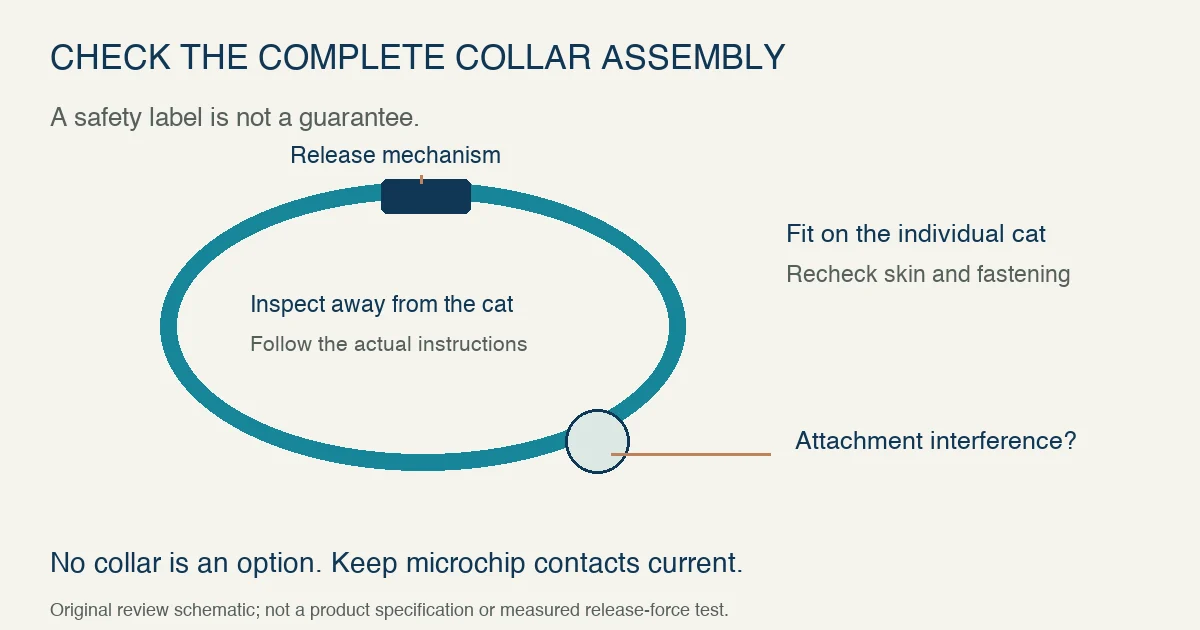
Original collar review schematic marks the release mechanism and an attachment, prompting checks away from the cat, individual fit and skin; it gives no release-force specification or safety guarantee.
Indoor life

Choosing a Cat Collar: Purpose, Release, Fit and Attachments

Decide whether a collar is needed, understand quick-release limits, assess attachments and fit, and keep identification current without a safety guarantee.
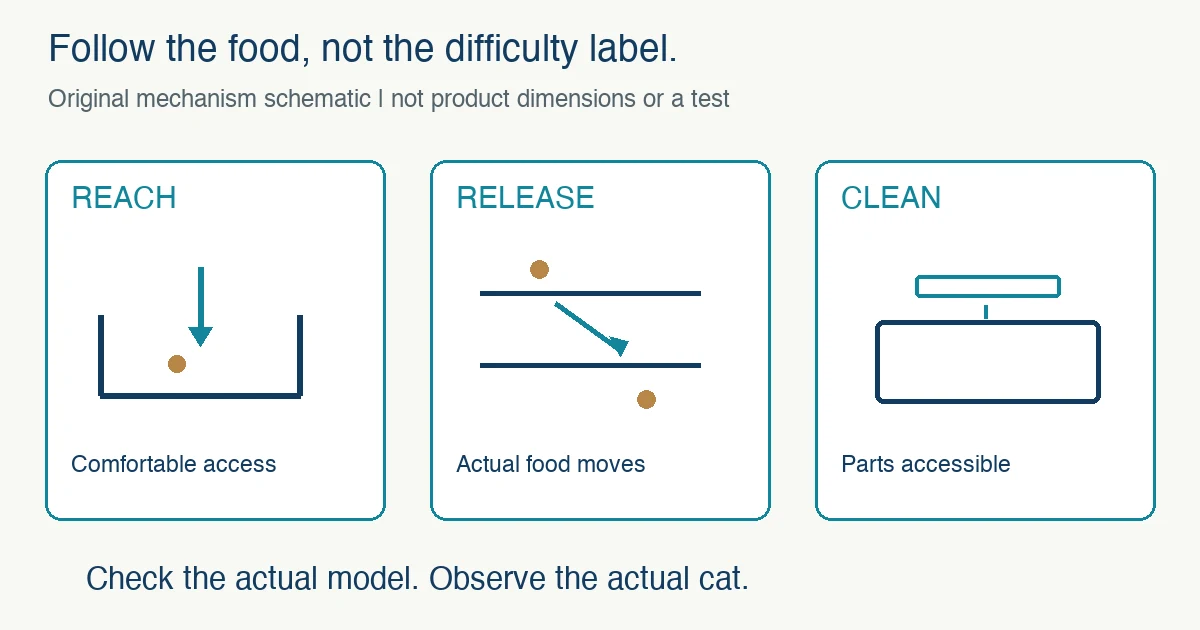
Original three-part mechanism schematic: comfortable reach to food, food moving through a release mechanism, and removable parts for cleaning; not a product test.
Food & feeding

Choosing a Cat Food Puzzle: Access, Specifications and Cleaning

Compare how food is reached, check actual model measurements and food compatibility, and use an attended trial to decide whether a puzzle works for your cat.
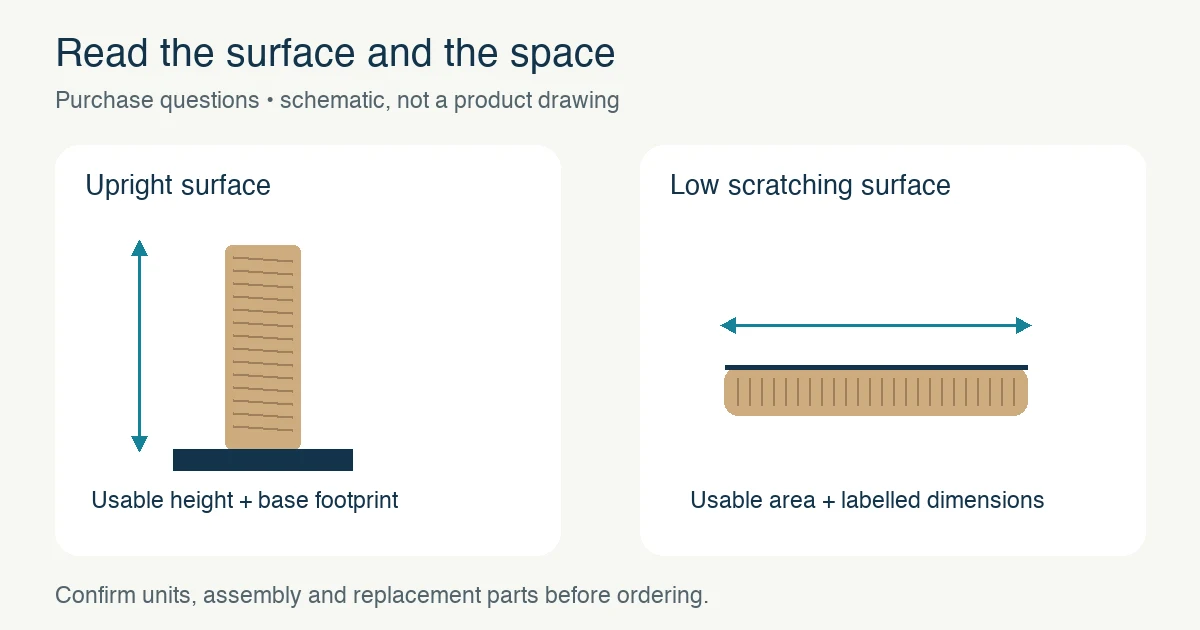
Schematic comparing an upright scratcher’s usable surface and base footprint with a low scratcher’s usable area and labelled dimensions.
Indoor life

Choosing a Cat Scratcher: Fit, Surface and Replacement

Read scratching-post and cardboard-lounge specifications before buying. Check usable surface, floor space, assembly and what can actually be replaced.
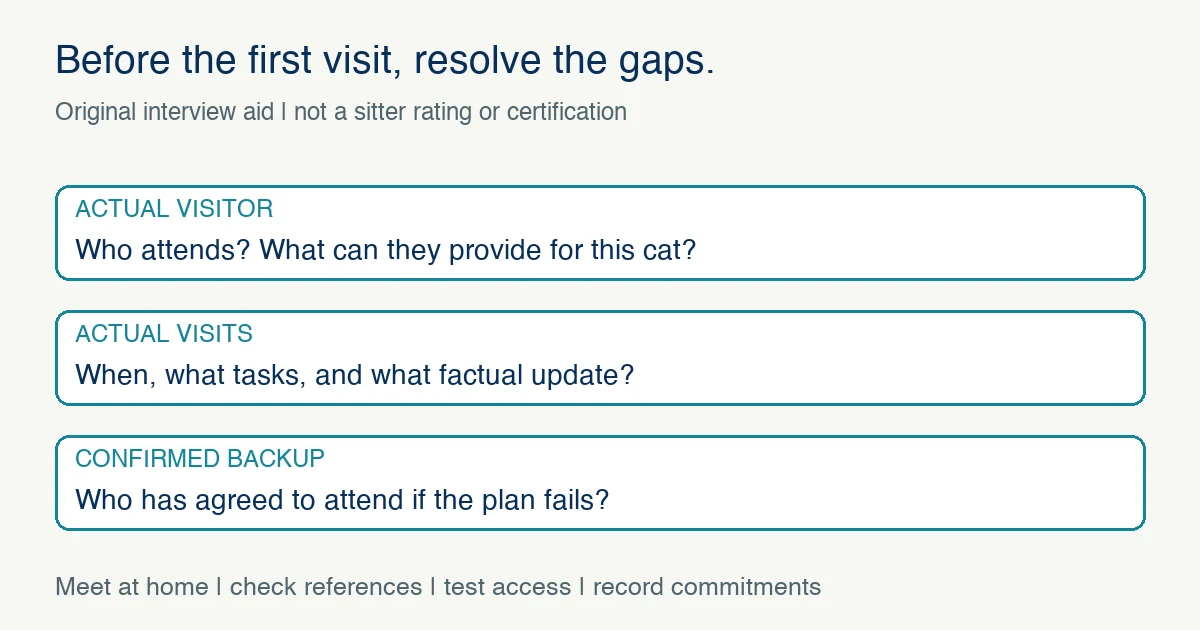
Cat-sitter interview planning establishes the actual visitor, agreed visit timing and tasks, and a confirmed backup before the first assignment.
Indoor life

Choosing a Cat Sitter: Confirm Visits, Care and Backup

Interview the actual visitor, check references and credentials, discuss your cat at home and resolve visit timing, safe access and substitute care before booking.
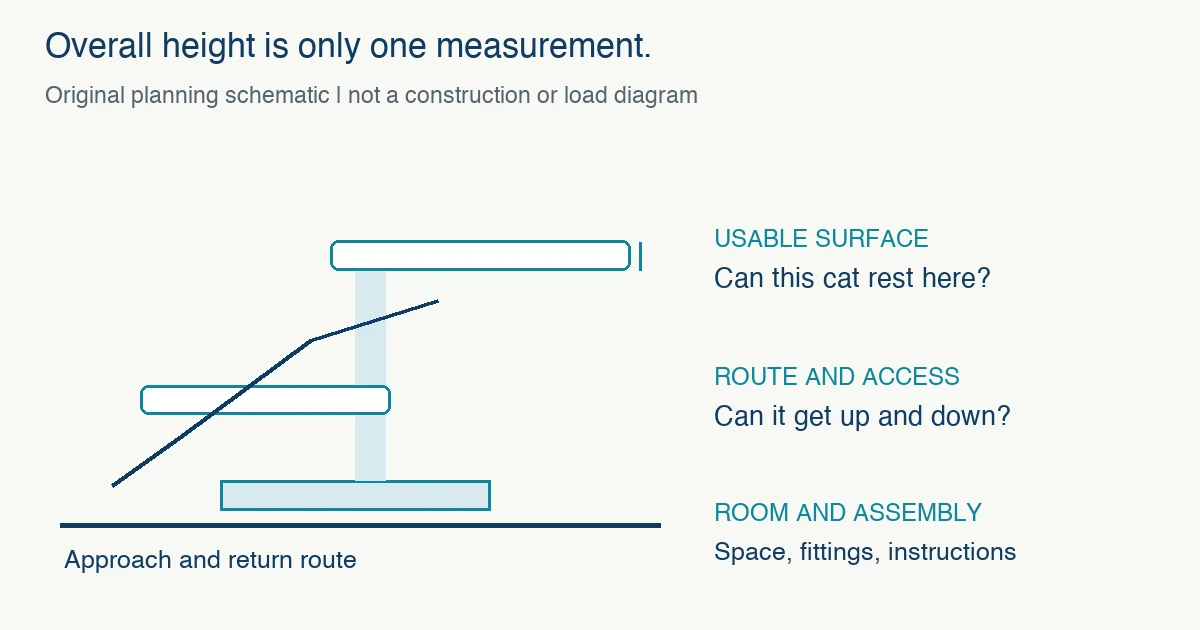
Original schematic separates usable resting surfaces, the approach and descent route, and room and assembly checks for a cat tree.
Indoor life

Choosing a Cat Tree: Room Fit, Stability and Accessible Routes

Compare overall size with usable resting space, verify the exact assembly instructions and plan a route each cat can actually use.
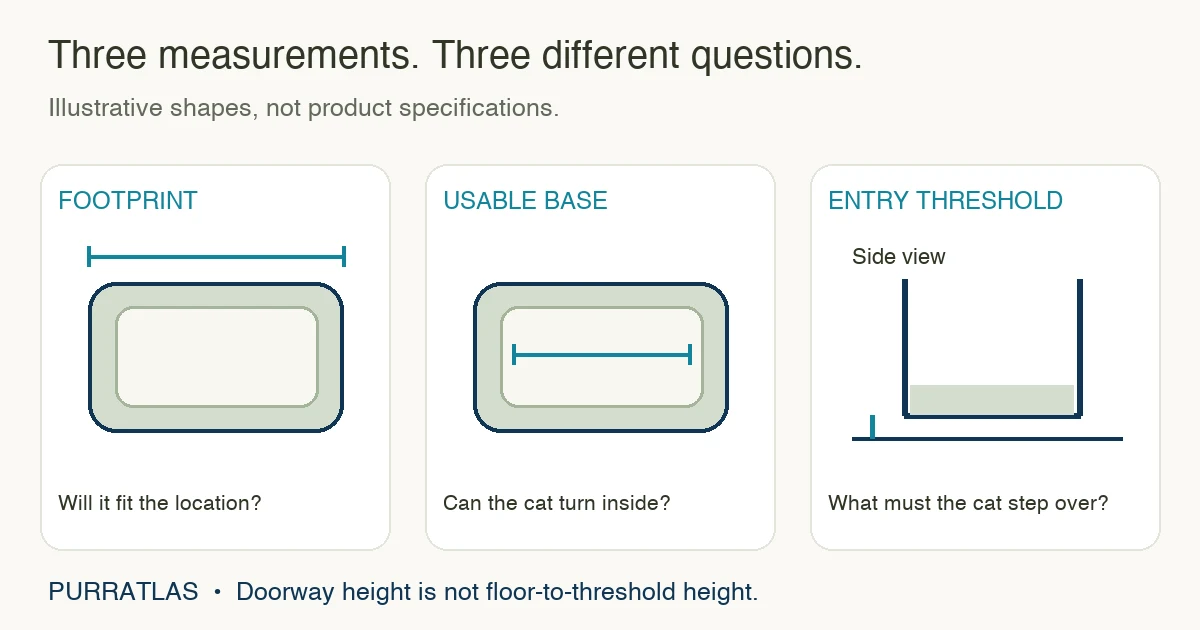
Schematic distinguishing a litter tray footprint, usable base and floor-to-entry threshold height.
Care guide

Choosing a Litter Box: Space, Entry and Cleaning Access

Read footprint, usable space and entrance measurements separately. Compare two official listings and identify what still needs checking before buying.
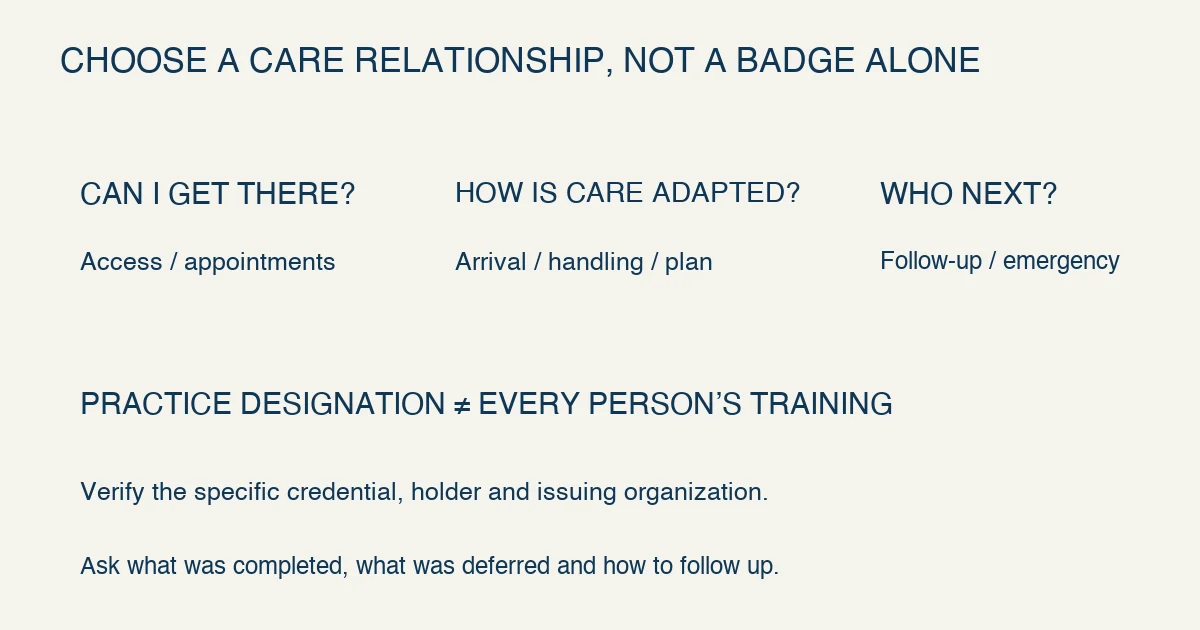
Original practice-selection note asks whether the clinic can be reached, how the team adapts care for the cat, and which provider handles problems after hours; verify specific credential claims separately.
Indoor life

Choosing a Vet for Your Cat: Handling, Communication and Backup Care

Build a practical veterinary shortlist by asking about feline handling, verified credentials, follow-up, hospitalization and out-of-hours care.
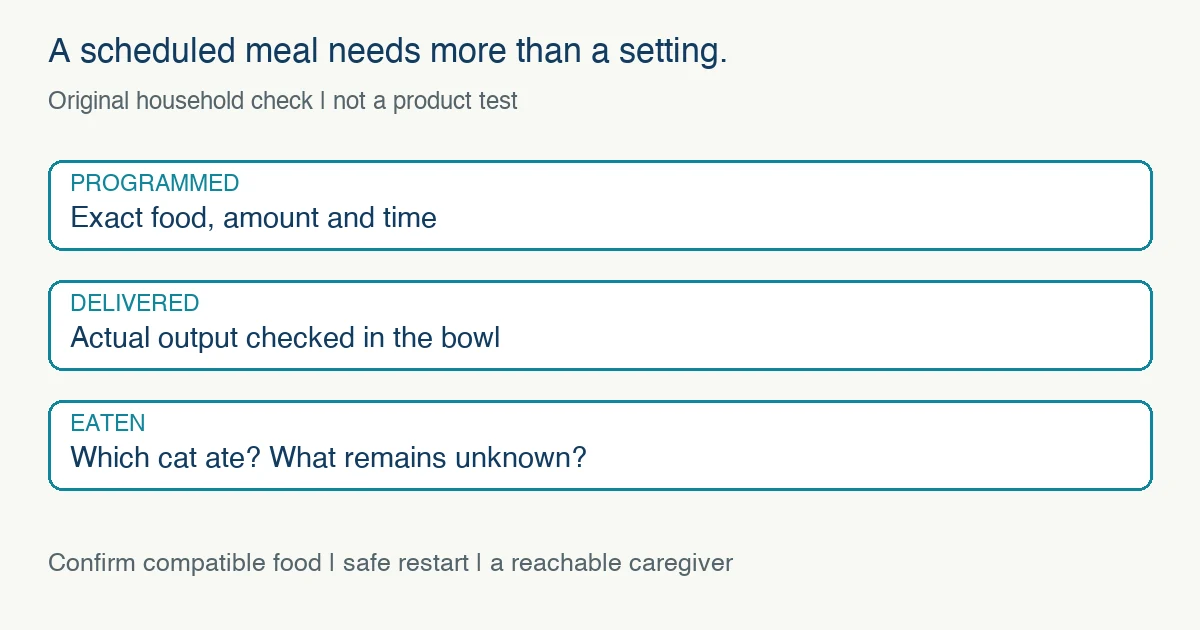
Original diagram distinguishes a programmed meal, food actually delivered and the particular cat observed eating.
Food & feeding

Choosing an Automatic Cat Feeder: Food, Portions and Backup

Compare exact model instructions, translate a feeding plan into observed output and confirm maintenance and a caregiver before relying on automation.
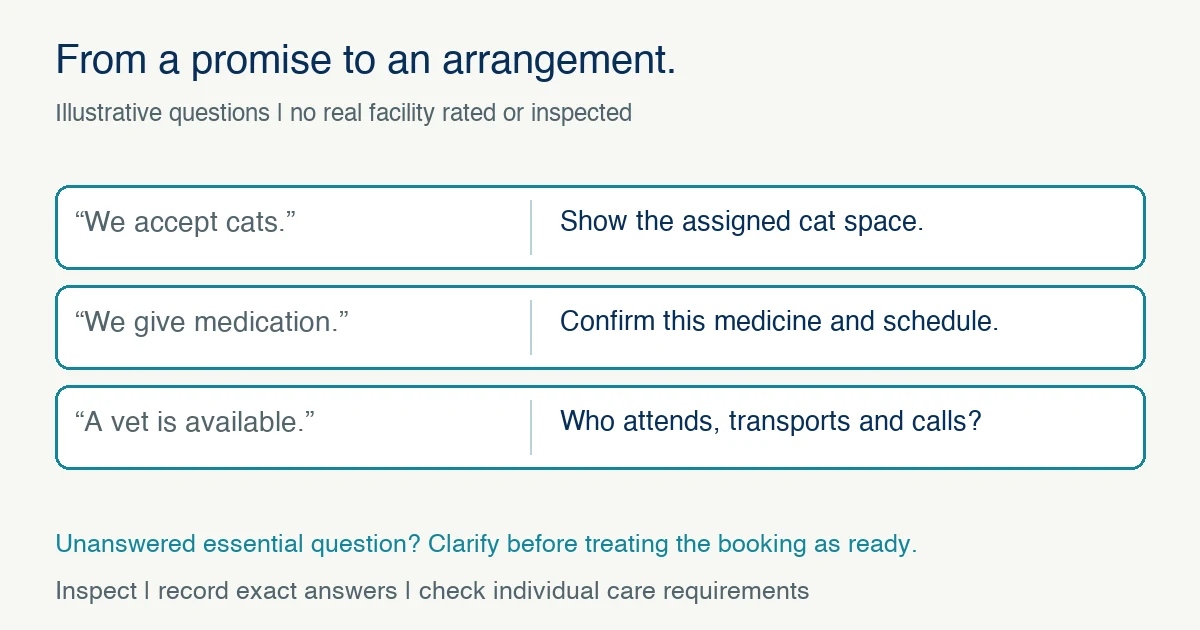
Illustrative boarding claims are converted into specific questions about assigned cat accommodation, the actual medication schedule, and veterinary attendance and transport.
Indoor life

Choosing Cat Boarding: Questions to Resolve Before Booking

Inspect the booked cat space and confirm feeding, medication capability, observation, emergency care and written booking terms before leaving your cat.

A little guidance before your next step

Explore care tools

A cat is arriving

Prepare the first night. For a kitten, add age-appropriate preparation. Resident cats need a separate introduction plan; a ready room does not mean they are ready to meet.

A daily routine is unclear

Start with food labels and intake records or litter access and cleaning. If you cannot tell who ate, use meal separation. Each guide ends with a specific next action.

The home needs a review

Map indoor choices and each cat's resource access. Adapt play to observed responses. New movement difficulties need a veterinary conversation alongside accessible home changes.

Breeds

BengalBritish ShorthairMaine CoonPersianRagdollSiamese

Behavior

Brushing Your Cat’s Teeth: Getting Started Without Forcing ItCat Bites When Petted: When to Stop and What to ChangeCat Harness Training: Suitability, Indoor Practice and When to StopCat Hiding: Check Changes, Protect Retreats and Know When to CallCat Peeing Outside the Litter Box: Urgency, Observations and AccessCat Scratching Furniture: Fix the Scratcher SetupCat Waking You at Night: Check Needs and Build a Workable Routine

Nutrition

Cat Constipation: Check Urine Output and Build a Vet-Led PlanCat Diarrhea: Get Help, Record Changes and Prepare for the VetCat Drinking Water: Check Changes, Food Moisture and Real AccessCat Feeding Guide: Labels, Portions and IntakeCat Food Storage: Dry Bags, Opened Wet Food and Useful RecordsCat Not Eating: Contact the Vet and Keep Actual Intake in ViewCat Vomiting: Decide the Next Step and Record the Whole Pattern

Indoor life

Bringing a Cat Home: First Night and Settling InCar Travel with a Cat: Carrier, Stops and Safe ArrivalCaring for a Blind Cat: Familiar Routes and Safer Daily CareCaring for a Deaf Cat: Communication, Waking and Door SafetyCat and New Baby: Prepare Resources, Care and Safe SeparationCat Door and Window Safety: Screens, Gaps and AccessCat Ear Care: Know When to Stop Cleaning and Call the Vet

Useful tools

Litter box plannerFood calorie converterHome resource checklistMeal portion plannerEveryday care checklistWeight record